
From your first fracture clinic to passing the FRCS.
The orthopaedic question bank built the way surgeons actually learn: daily repetition, every option explained, ATLS and real-world scenarios, real X-rays and dissections, and the latest evidence.
- Every option explained
- FRCS-pace exam mode
- ATLS scenarios
- Real X-rays & dissections
Founding members: 30 of 30 free places left
A ladder all the way to the FRCS
Every topic starts with the essentials and climbs to exam standard, so OrthoQB grows with you from medical school to the Part 1.
Medical student
Fracture basics, examination and finals-level orthopaedics.
Finals & UKMLAFY / CT
On call and fracture clinic: ATLS, reductions, casts, referrals and consent.
Survive on callST3–ST5
Approaches, implants, operative principles and the evidence, area by area.
Build the depthFRCS (Tr&Orth)
Exam-standard Part 1 practice, timed mocks and the latest trials.
Pass the examBuilt to make it stick
Ten focused minutes a day beats a weekend of cramming. Everything in OrthoQB is designed to bring you back and move you forward.
Every option explained, and see how everyone else answered
You learn as much from the wrong options as the right one. Each question explains all five, adds an exam pearl and links the landmark paper behind it.
- Why each distractor is wrong, in plain English
- The percentage of users who chose each option
- Report a problem in one tap; surgeons review every report
ATLS and clinical scenarios that feel like the real thing
Follow one patient from the trauma call to theatre and fracture clinic. Each step is a question, and each answer moves the story on.
- ATLS primary survey, haemorrhage control and damage control
- Fracture clinic decisions, consent and theatre set-up
- A new case of the day, every day
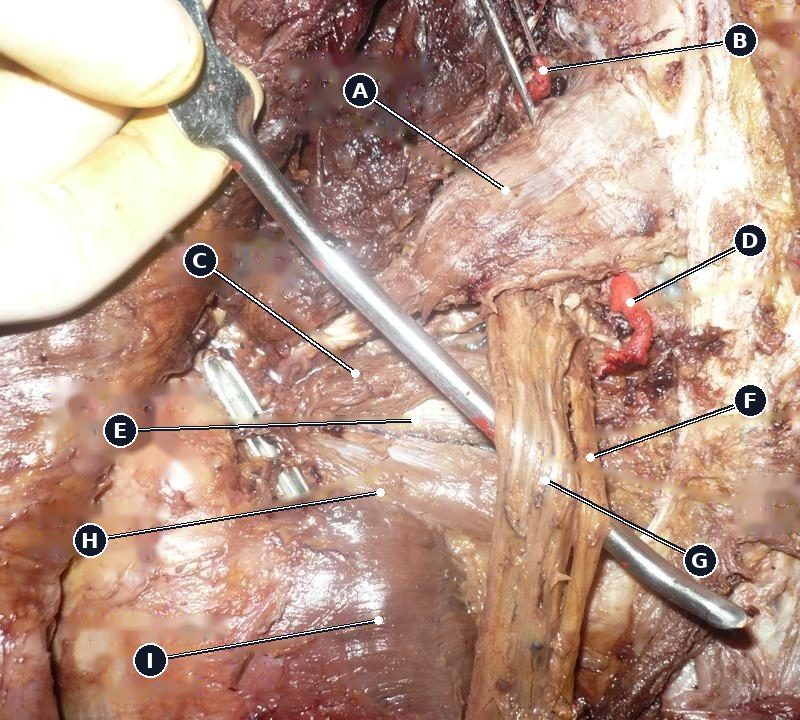
Real X-rays and real dissections
Questions built on anonymised radiographs and openly licensed cadaveric photographs, so you learn to recognise what you will actually see in clinic and theatre.
- Fracture classification on real films
- Surgical anatomy for approaches and nerves at risk
- Every image independently double-checked
A plan, a streak and a cohort to beat
Set your stage and exam date. OrthoQB sets a daily target, reminds you when you choose, rolls over what you miss and brings back what you got wrong.
- Daily 5 and Paper of the week
- Exam mode with an FRCS-pace countdown
- Leaderboards by training year and region, plus private leagues
Developed by UK and US orthopaedic surgeons
OrthoQB is written and reviewed by practising orthopaedic surgeons, including FRCS (Tr&Orth) holders, and is pitched at UK practice and the UK exam.
Written to UK practice
Original questions mapped to the curriculum and current NICE, BOA and BOAST guidance.
Independently checked
Every question gets a second, examiner-level review for accuracy and fairness.
Tested by trainees
Trainee reviewers rate wording and accuracy, and every user report is read.
Kept up to date
New evidence and guidance are added every fortnight.
Try one now
No sign-up needed. Pick an answer to see the full explanation.
A 24-year-old man falls onto his outstretched hand while playing football. He has tenderness in the anatomical snuffbox and pain on axial loading of the thumb. Four scaphoid-view radiographs taken in the emergency department show no fracture. What is the most appropriate next step?
Less than a textbook. Used every day.
Start free. Upgrade when you are ready. Cancel any time.
Annual
Everything, for a full year of training. Works out at about £12 a month.
Choose annualQuestions people ask
Who writes the questions?
OrthoQB is developed by practising UK and US orthopaedic surgeons, including FRCS (Tr&Orth) holders. Every question is original, gets a second independent examiner-level check, and is tested by trainee reviewers. Feedback from users goes straight to the editors.
Is it only for the FRCS?
OrthoQB is built to get you to FRCS level, but every topic starts with questions for students and early trainees, so you can use it from your first orthopaedic job and keep using it all the way to the exam.
Does it include ATLS?
Yes. There are ATLS-based questions and step-by-step trauma call scenarios covering the primary survey, haemorrhage control, the pelvis, spinal injury and damage control orthopaedics.
Does it work on my phone?
Yes. Add OrthoQB to your home screen and it works like an app, with reminders at the times you choose.
Can I cancel?
Yes, at any time from your account page. If it is not for you, ask within 14 days of your first payment for a full refund.
Ten minutes a day. Every day. Until it sticks.
Set your goal and reminder times, and OrthoQB keeps you on track until your exam.
Start now, it's free